Chinese Grotto Art
Introduction
Chinese grotto art is a significant aspect of China's cultural heritage, reflecting the country's long history and rich artistic traditions. These grottoes are ancient, intricately carved caves that serve as repositories of Buddhist art, showcasing thousands of statues, murals, and inscriptions. The art form primarily thrived along the ancient Silk Road, a historic trade route that facilitated cultural and artistic exchanges between the East and West.
Historical Background
The origins of Chinese grotto art can be traced back to the 3rd century when the artistic traditions of statue-making were introduced to China from ancient India. This occurred through the spread of Buddhism along the Silk Road, across mountains and deserts. By the time of the Sui (581-618) and Tang (618-907) dynasties, grotto art had reached its zenith in Northern China. The sculptors of this period created stunning masterpieces out of stone, embodying the spiritual and cultural essence of Chinese grotto art.
Major Sites
Yungang Grottoes
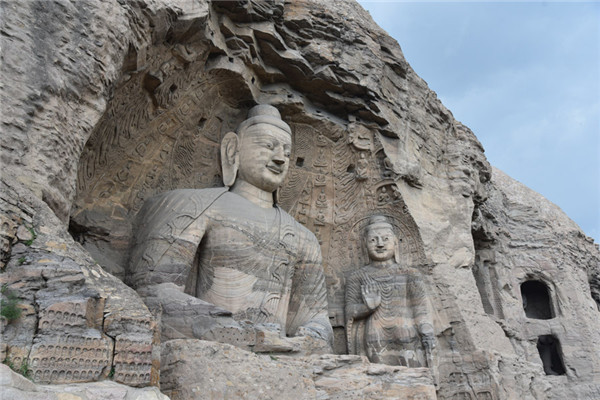
Located near Datong in Shanxi province, the Yungang Grottoes are a significant landmark of Chinese grotto art. This UNESCO World Heritage site, inscribed in 2001, dates back to the Northern Wei Dynasty (386-534). It is a remarkable collection of Buddhist sculptures, featuring 45 main grottoes and over 51,000 Buddha statues. These statues, ranging from 17 meters tall to just two centimeters, are renowned for their lifelike and elegant craftsmanship.
The Yungang Grottoes are especially notable for their interpretation of Buddhist cave art with distinctive Chinese characteristics. Despite influences from South and Central Asian Buddhist cave art, the Yungang Grottoes exhibit a unique Chinese style, which has played a crucial role in the development of Oriental Buddhist grotto art, influencing future artistic endeavors across China and East Asia.
Longmen Grottoes
The Longmen Grottoes, located near Luoyang in Henan province, represent another pinnacle of Chinese grotto art. Initiated around 493 AD during the Northern Wei Dynasty, and continuing for over 400 years, the site features 2,345 caves and niches. These house more than 100,000 statues of Buddha, Bodhisattvas and Arhats, along with 2,840 inscribed stone tablets and over 60 stone stupas. The Longmen Grottoes provide invaluable insights into the religious, artistic, and social dynamics of the period, making them a treasure trove for historians and art enthusiasts alike.
These grottoes are celebrated for their unique blend of religious grandeur and secular elements, highlighting the transition of Buddhist art from Indian influences to a distinctly Chinese style. The sculptures exhibit intricate details, emphasizing differences in personality and expression, achieving a harmonious balance between artistic creativity and religious devotion.
Dazu Rock Carvings
The Dazu Rock Carvings in Chongqing are a masterpiece of Chinese grotto art, deeply rooted in the regional Bashu culture. These carvings, recognized as a UNESCO World Heritage site in 1999, reflect the integration of early grotto art with inspirations drawn from everyday life. They offer a window into the spiritual and historical landscape of the time, showcasing the evolution of Chinese grotto art through the absorption and adaptation of diverse cultural influences.
Dunhuang Mogao Caves
The Mogao Caves, also known as the Thousand Buddha Grottoes, are located in Gansu province and form a crucial part of Chinese grotto art heritage. These caves house a vast collection of Buddhist art, with murals and statues spanning over a millennium from the 4th to the 14th century. The Mogao Caves are celebrated for their artistic richness and diversity, representing a fusion of cultural influences from across the Silk Road.
Maijishan Grottoes
Situated in Gansu province, the Maijishan Grottoes are renowned for their unique cliffside sculptures and paintings. This site reflects the creative ingenuity of Chinese artisans, who carved Buddha statues and murals into the sheer rock face. The grottoes are a testament to the skill and devotion of their creators, offering insights into the religious and cultural exchanges that shaped Chinese grotto art.
Artistic Characteristics
Chinese grotto art is characterized by its intricate stone carvings, vivid murals and detailed inscriptions. These elements combine to create a spiritual ambiance, inviting contemplation and reverence. The art form evolved over centuries, absorbing influences from different cultures and regions, while maintaining its unique Chinese identity. The statues often exhibit a serene and tranquil expression, symbolizing the spiritual aspirations of the Buddhist faith.
The craftsmanship involved in creating these grottoes is remarkable, with artisans employing advanced techniques to achieve lifelike representations. The statues and murals often depict religious figures, mythological scenes and everyday life, providing a window into the cultural and spiritual milieu of the time.
Cultural Heritage and Preservation
Chinese grotto art is not only a testament to the country's artistic heritage but also a vital part of its cultural and historical identity. Efforts to preserve and protect these sites are ongoing, with initiatives aimed at safeguarding them from natural and human-induced threats. The UNESCO designation of several grottoes as World Heritage sites underscores their global significance and the importance of their preservation for future generations.
Chinese grotto art is a remarkable expression of the country's cultural and spiritual legacy. The grottoes serve as museums of ancient art, offering a glimpse into the historical and religious narratives that have shaped China's artistic evolution. Through their intricate carvings and vivid murals, these grottoes continue to inspire awe and admiration, standing as enduring symbols of China's rich cultural heritage.








